Old-trendy malls, those huge, concrete, fortress-like temples of consumption, are all too familiar, dying on the vine as consumers bypass them and head straight to the Internet. However, on a larger scale, a new trend is emerging, redeveloping closed malls into successful mixed-use community centers. In place of leveling and sprawling out into greenfields, planners and builders are envisioning closed malls as high-density mini-cities. Where there used to be vacant shops and vast parking lots, there are now parks, flats, clinics, and community centers. As a specialist remarks, reincarnating greyfield locations, such as closed malls, slows down pollution and sprawl, routing stormwater away from asphalt and reducing carbon output compared to building new (Devi and Franklin, 2025). In short, malls that have transformed into communities can support city life within existing footprints, ending housing squeezes and blight in one fell swoop.
Designers and planners are constructing homes in the parking lot. Picture the large, empty atrium of a failed mall filled with playgrounds and gardens, or the parking ring transformed to clusters of new townhomes. Already, in Arlington, Virginia, high-rise apartment complexes such as the Witmer and Milton have sprouted up in vacant mall space, housing 700 individuals within walking distance of stores (Kiger, 2023). In Phoenix, the Paradise Valley Mall even accommodated a public amphitheatre within the existing structure. These projects bring walkable urbanism to the suburbs, closing housing shortages while generating foot traffic for the few remaining retailers (Kiger, 2023). Developers, such as Kimco Realty, have transformed mall apartment rentals into a lucrative venture, filling vacant retail spaces and providing people with the live-work-play environment they desire (Kiger, 2023). Indeed, a study has revealed that more than half of mall-reuse plans now include housing, aiming to simultaneously close empty retail spaces and address housing shortages (Stantec.com, 2025). No wonder that a study of CBRE finds some 50 million sq ft of American retail already gone from the market as this trend picks up speed (Smart Cities Dive, n.d.).
Global Case Studies
Malls-to-city-centers is not an American-only trend. Across Europe and Asia, renovated malls are being given new, innovative uses,
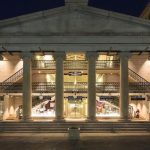
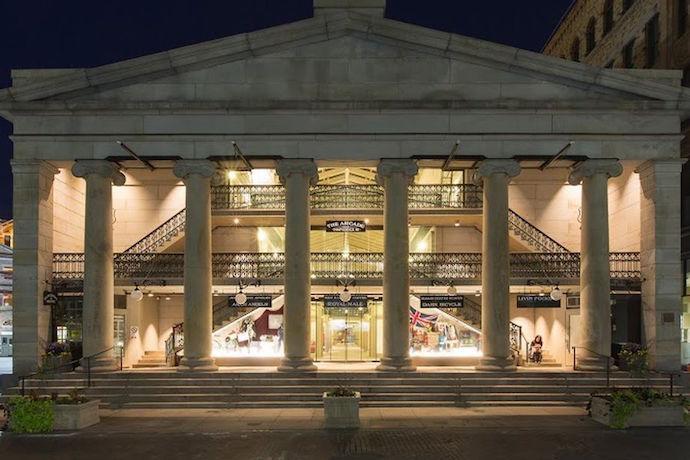
- Micro-apartments in Providence, Rhode Island: The long-abandoned Arcade Providence building, America’s first indoor shopping mall, dating back to 1828, sat empty for decades, until the upper two levels got subdivided into 48 bright micro-lofts by architects (Visi, 2016). The result is a vibrant mixed-use building; ground floor shops and cafes, and small fully furnished apartments above. The adaptive reuse of the project, costing $7 million, preserved the landmark’s spacious Greek-Revival atrium but also provided a home, greatly expanding urban dwellings without occupying new land (Visi, 2016).
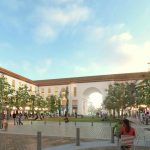
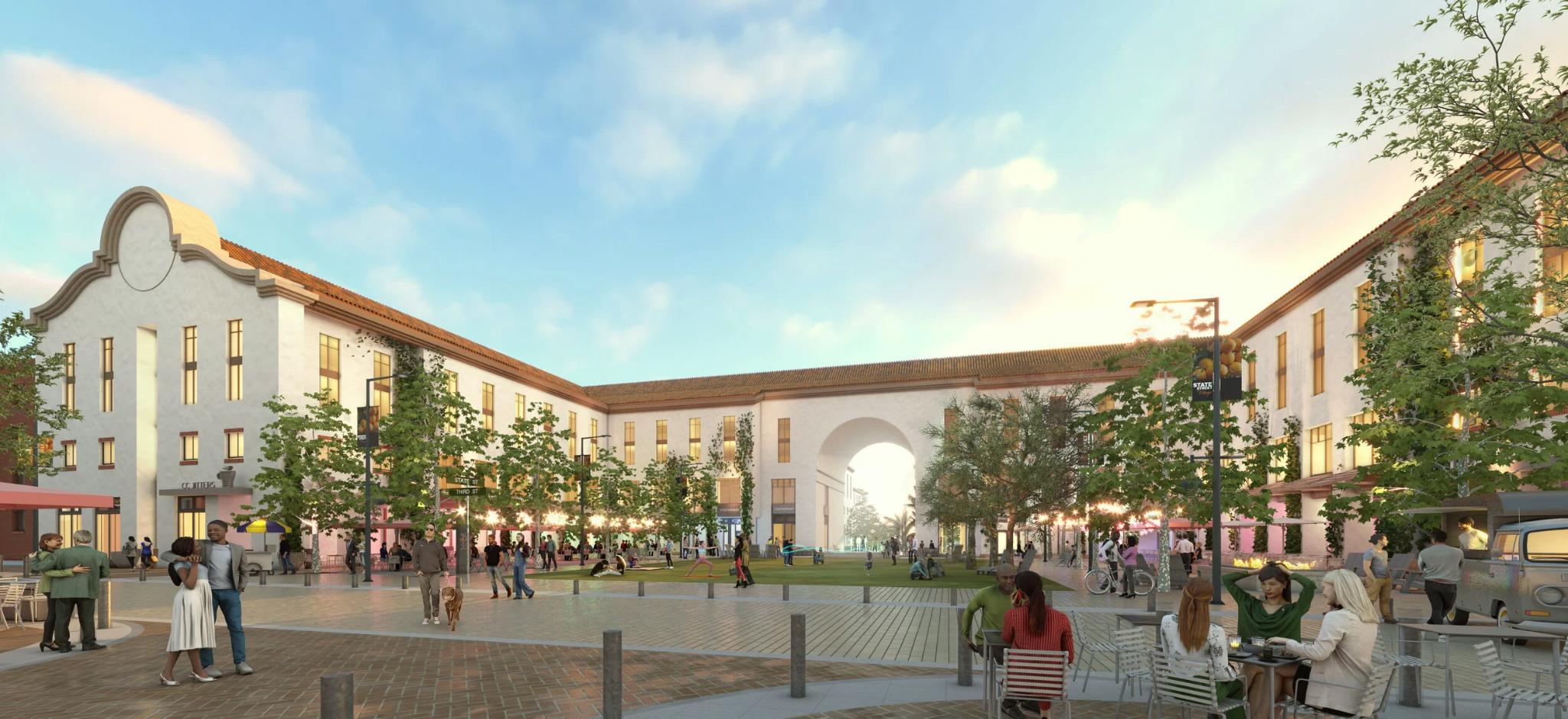
- Redlands, California: City planners and builders voted for the abandoned downtown Redlands, built in the 1970s and later closed up, for the ultimate rebirth. A pedestrian mall of shops, called State Street Village, will emerge from the retired 6-block Redlands Mall. 700 odd new condos/apartments, as well as 72,000 sq ft of retail space and 12,000 sq ft of offices, will emerge there (Smart Cities Dive, n.d.). In adapting this abandoned city-center block (as contrasted with greenfield sprawl), Redlands converted an eyesore while gaining badly needed shops and housing (Smart Cities Dive, n.d.).
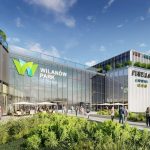
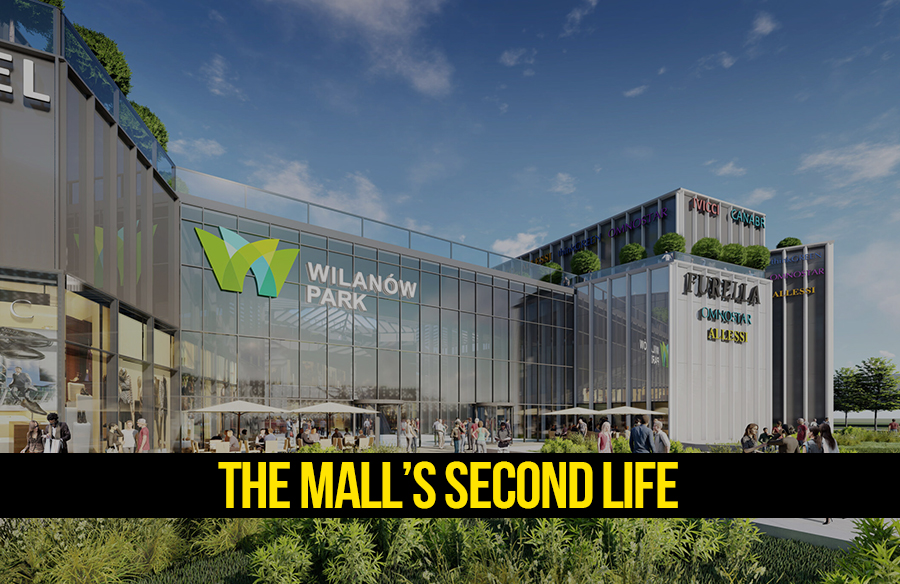
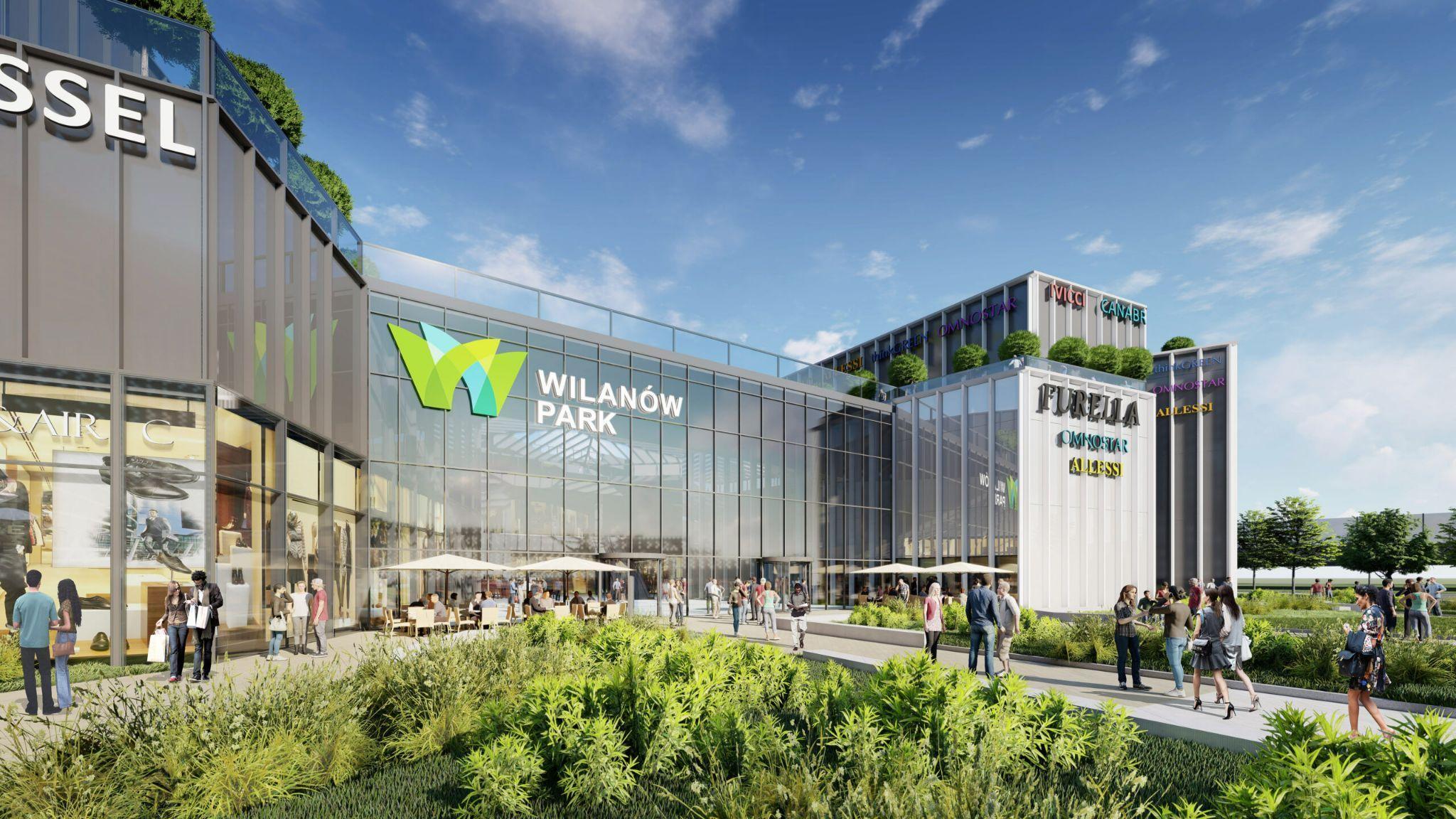
- Integrated mixed-use mall in Poland: Warsaw’s Miasteczko Wilanów’s Wilanów Park is being developed as the developer, Ceetrus, brings together in physical form a mall, public park, and residences. A mall facility, restaurants, and recreation, a 2-hectare park, and a community facility will be incorporated (Mapic, 2025). This is incorporated in high-rise housing within the ring road belt of the “15-minute city,” demonstrating the suburban mall that includes the local townhouses, parks, and centers within (Mapic, 2025).
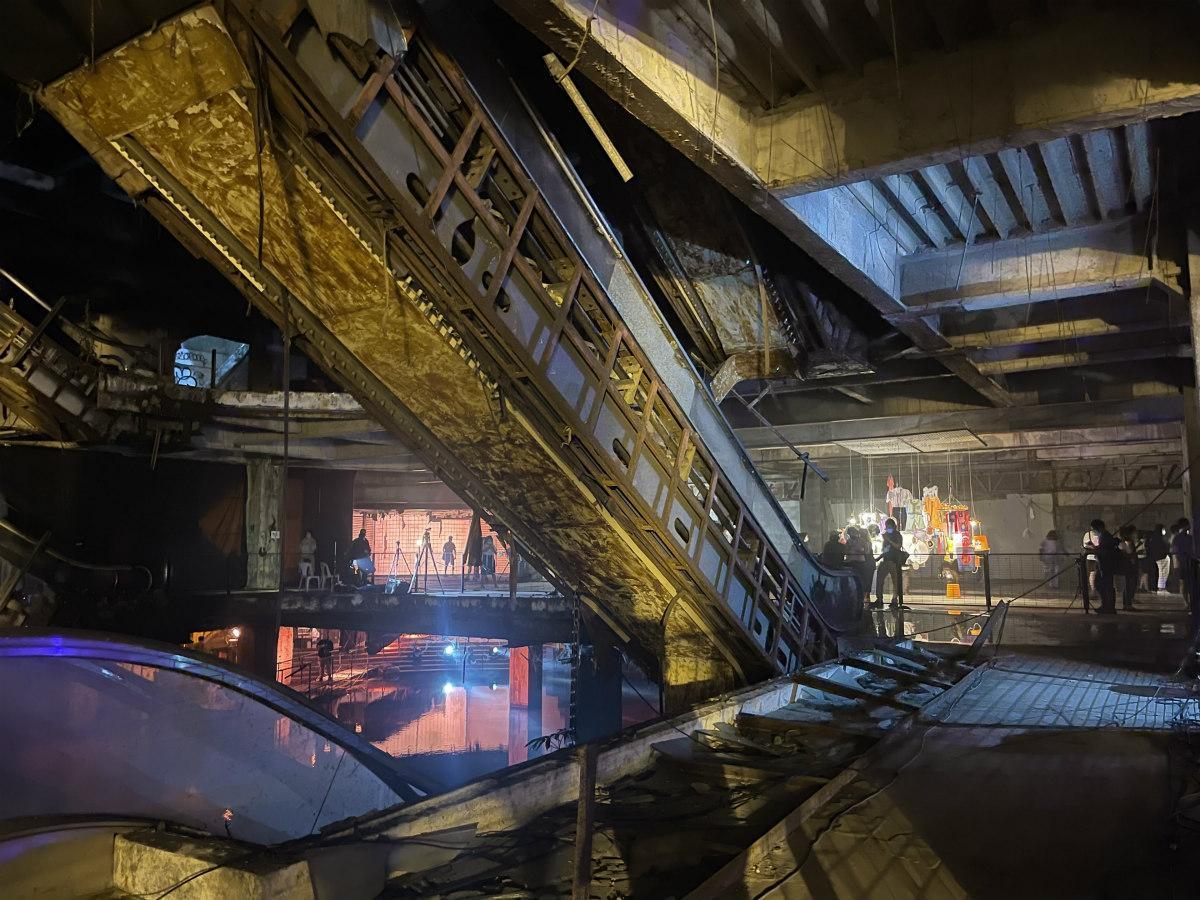
- Community Mall in Bangkok: An abandoned Bangkok old mall (New World Mall) was converted into an improv arts space for the duration of the Bangkok Design Week. The community redeveloped and curated the site, turning an abandoned, dilapidated mall into a gallery and cultural venue (The Urban Activist, 2023). This temporary trial has long-term reuse applicability in Asian urban densities. In those contexts, malls are commonly hybrid spaces that integrate retailing with rooftop temples or markets, and new “community malls” organize courtyards and trees.
- European Transit Hubs: In Lyon and Amsterdam, aging shopping malls are being renovated with housing, offices, and green roofs. Lyon’s gigantic La Part-Dieu mall, for example, is being rezoned as offices and apartments in the city’s urban-renewal plan. Throughout Europe, buildings mix heritage with innovation, adding rooftop gardens, sustainable facades, and mall pedestrianization, most frequently around metro stations. They fill gaps in urban space, but also offer cohesive urban experiences that combine housing with transit, shops, and parks (Real Estate Earth, 2024).
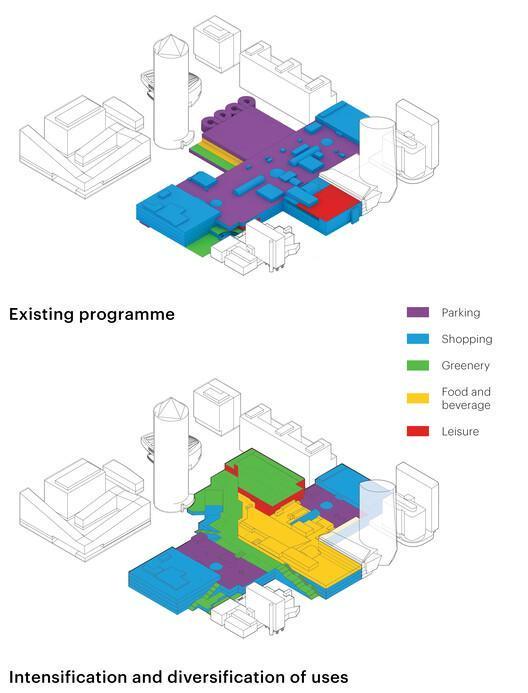
Design Ideas for the New Mall
How does architecture convert an erstwhile single-use megamall into a successful district? Below are some of the new strategies:
- Densify with Residential: Construct various forms of housing on the site. Consider mid-rise condos, stacked townhouse buildings, micro-lofts, and even cohousing or seniors living. The new apartments would go above, over, or next to the existing mall building. The addition of housing uses, including multifamily, age-restricted, or mixed-income, can reanimate the neighboring districts, explains Cushman & Wakefield (Cushman & Wakefield, 2025). Stacking 200-500+ units in a dead mall will, presto, have the population density to sustain cafes, transit, and community activities. A rule-of-thumb is ~1,000 homes per ¼ mile for a successful mixed-use core (Stantec.com, 2025).
- Intermix Offices and Co-Work: Not all spaces need to be homes or shops. Large clear floorplates are suitable for offices, co-occupation, physician offices, or even light manufacturing. A mall wing, for instance, could be repurposed as a group of startups, tech shops, or craftsman shops. This provides jobs on the premises and ensures utilization 5 days a week, not only on the weekend. Cushman & Wakefield even recommends that malls be repurposed as part of data centers or last-mile distribution centers, as their large parking spaces and proximity to highways make logistics simple (Cushman & Wakefield, 2025).
- Add Health, Education, and Culture: See, the mall has a free clinic, dentists, or mental-health experts (wellness block idea or the likes). Or open out into a K-12 school, community-college branch, or adult school. Toronto Metropolitan University did the latter by finding a college in a big mall. Theatres, concert halls, fine-arts museums, and libraries are also excellent, you see: cultural events can move into close quarters. South London’s proposed Lost City scheme will turn the disused Allders mall site into a massive performance and arts venue (Coke, 2023). Such uses turn the mall into an actual social enterprise and get human beings out of their living rooms into public space (Gallici, n.d.).
- Reclaim Grey Space as Parks and Farms: Open up roof sections or units to admit sunlight and create urban green space. Courtyards, gardens, and rooftop parks can be incorporated above retail or over spot-cleared parking lots. Indoor vertical farms were even featured at some malls! In Cleveland, the former Galleria Mall now contains “Gardens Under Glass,” harvesting produce for consumers and urban agriculture classes. Tel Aviv’s Dizengoff Center constructed a mall-wide rooftop hydroponic farm, apiary, and bird sanctuary, with green education included in shopping (Cushman & Wakefield, 2025). A little closer to the ground, empty lots surrounding malls can be repurposed to wetlands and stormwater parks, absorbing rain and providing wildlife habitat. These nature hubs in concreteized quarters reduce pollution, cool temperatures, and provide people with lovely public spaces.
- Interactive and Entertainment Sites: Desolate department stores are turned into experience stadiums. Already, shuttered anchors have been repurposed as indoor sports complexes and even theme attractions. One of the defunct malls in Missouri was converted into Ballparks of America, a baseball academy, with mockup full-sized ballparks (Cushman & Wakefield, 2025). Another, in Virginia, is being repurposed into an indoor pickleball complex, with courts, leagues, and instruction (Cushman & Wakefield, 2025). Whole-spectrum entertainment has its place, too; Chicago’s 900 North Michigan Shops and Florida’s Area15 (with the Omega Mart) demonstrate how an abandoned mall wing could be repurposed into interactive art and tech centers that draw.
- Community Hubs & Amenities: Allow for co-op shops, community kitchens, pop-up markets, community rooms, and childcare. Involve the public in governance, set up a small council or association that devotes huge space allocations to nonprofits, co-ops, or clubs. San Francisco nonprofit Community Ventures converted a closed mall that became a health and education complex when they brought in local partners. This aligns with Gensler’s vision of the civic mission of a mall; malls should incorporate wellness clinics, playgrounds, libraries, and social service centers, thereby becoming true community anchors (Gallici, n.d.).
All of these concepts are based on fairness and sustainability. For example, including rentable housing in several different price points avoids a luxury condo-only project (Stantec.com, 2025). With wide bike lanes in the lead, new transit facilities, and wide sidewalks around the mall property, people are less inclined to drive and lessen sprawl. High-tech energy infrastructure like solar panels on the roof, green heating and cooling building, and stormwater gardens make the project carbon-savvy. Experts find adaptive reuse of an in-place building is able to reduce embodied carbon by 50–75% less than a new building does (Devi and Franklin, 2025). The adaptive reuse also conserves huge material waste – research demonstrates 90% of building material is retrievable from the landfill when you retrofit rather than rebuild (Devi and Franklin, 2025). So a green mall renovation is not only a good-fellows approach, but a climate-efficient approach.
Benefits for People, Planet, and Cities
Repurposed malls generate massive returns in many areas:
- Social and Equity: These initiatives bring people together. A silent dead zone, the mall becomes a new 24/7 hub of the neighborhood. Neighbors gather in a community coffee shop or farmers market in the renovated old mall building. A mix of uses, shops, homes, parks, and clinics benefits residents of all ages and income levels. As Gensler’s Andrew Gallici explains, a reimagined mall reclaims its original community use; family outings, play spaces, art, and activity rather than solitary shopping (Gallici, n.d.). Even though residents of the neighborhood have an opportunity to have a voice in the mall’s future, some initiatives establish resident advisory committees. Good for them, this reverses urban isolation on its head and brings opportunity, employment, training, and recreation to the neighborhood.
- Economic: At the strategy level, upgrading of a failing mall is capable of catalyzing local rebirth. Empty retail space loses city budgets, but successful mixed-use projects generate revenues, lease out spaces, and draw in more investment. As Cushman & Wakefield states, upgrading a B-grade mall to multi-use draws in desired community economic growth (Cushman & Wakefield, 2025). New condos satisfy the staggering amounts of housing demand, stabilizing home and rent costs. Residual retailers are rewarded with consistency of in-site dwellers. Even from the developer’s point of view, mixed-use frequently proves more profitable; condominiums or health offices are worth more per square foot than vacant shops (Cushman & Wakefield, 2025).
- Environmental: We build up, not out, minimizing sprawl and preserving greenfields. By adaptive reuse of a 50-acre mall site, other land is not consumed by parks or cropland. The urban heat island effect is avoided when malls are provided with trees and soil in rooftop scenarios. Furthermore, city infrastructure costs are avoided; the sewers, roads, and transit stops to the former mall are already paid for. A repurposed mall is, in some instances, cheaper than new lines out to sprawling suburbs. Indeed, most mall projects are transit-oriented, served by walkable plans (Cushman & Wakefield, 2025). The World Economic Forum shares with us that adaptive reuse is a climate-resilient approach, construction waste is conserved to the extent of 90% and millions of tons of CO₂ are conserved (Devi and Franklin, 2025).
- Public Health & Wellbeing: Greening the mall provides spaces for play and exercise. Parks and indoor green spaces decrease pollution, and outdoor cafes and open plazas encourage walking. On-site clinics, day care, and farmers’ markets provide access to health and farm-fresh fruits and vegetables. The sum creates health-resilient, walkable communities that decrease mental and physical health issues, research shows.
- Urban Resilience: Finally, such projects revive suburbia. Don’t forget that most old malls are located on the highway or city periphery. Renovating them will prevent those spreading peripheries from crumbling. Phoenix and Atlanta, for example, have resorted to mall-to-housing rebuilds due to the very same reason. And, if made inclusive, such new hubs will help achieve lofty dreams. Some California law now simplifies the conversion of big box retail structures into mixed-income housing, potentially allowing for millions of additional units each year (Smart Cities Dive, n.d.). In short, each revived mall will potentially help bridge the urban housing gap.
Converting dead malls into community centers is not a trend, but a business urban plan. It reimagines space already constructed and infrastructure already constructed in three ways at once: offer housing, fight sprawl, and restore connections between neighborhoods. These plans are as different as the projects themselves, arts and stores, another biotech or recreation area, all in the name of green and fair mixed use. This is the polar opposite of the 1980s’ mall of the single dimension. What we have instead is something of a city center in every town. As part of its planners’ joke, perhaps we should no longer call them malls at all, but community centers or town centers, after all, that is the change that they are undergoing (Gallici, n.d.). By reinterpreting the physical giants as thrilling, inclusive communities, municipal governments and designers are in a position to convert shopping deserts into urban treasures. With increasing proof being made throughout the globe, even those who keep closed mall shopping centers, the key to ending sprawl and homelessness might prove to be a Vacant Department Store at a time (Devi and Franklin, 2025).
References:
- Devi, A. and Franklin, S. (2025). Adaptive reuse can help reimagine, repurpose and revitalize cities. [online] World Economic Forum. Available at: https://www.weforum.org/stories/2025/04/how-adaptive-reuse-can-help-reimagine-repurpose-and-revitalize-cities/.
- Kiger, P. (2023). Turning Malls into Neighborhoods. [online] Urban Land. Available at: https://urbanland.uli.org/economy-markets-trends/turning-malls-into-neighborhoods.
- Stantec.com. (2025). Is a mix of housing missing from your mall redevelopment equation? [online] Available at: https://www.stantec.com/en/ideas/topic/cities/5-steps-to-help-redeveloping-malls-add-housing [Accessed 30 Jul. 2025].
- Visi. (2016). Oldest Mall In USA Converted Into Micro-housing | Visi. [online] Available at: https://visi.co.za/oldest-mall-in-usa-converted-into-micro-housing/ [Accessed 30 Jul. 2025].
- Smart Cities Dive. (n.d.). Cities repurpose underused malls to address housing shortage. [online] Available at: https://www.smartcitiesdive.com/news/cities-underused-malls-housing-shortage-crisis-vacant-strip-malls-zoning-reform/640399/.
- Mapic (2025). Ten mixed-use projects turning retailers’ heads in Europe. [online] Inside Retail Asia. Available at: https://insideretail.asia/2025/06/08/ten-mixed-use-projects-turning-retailers-heads-in-europe/ [Accessed 30 Jul. 2025].
- The Urban Activist. (2023). ‘New World’ Mall in Bangkok could finally be true to its name | The Urban Activist. [online] Available at: https://theurbanactivist.com/public-space/new-world-mall-in-bangkok-could-finally-be-true-to-its-name/.
- Real Estate Earth (2024). In Europe, the transformation of shopping malls into apartments is part of a broader trend toward adaptive reuse and mixed-use urban planning. The shift is influenced by declining retail spaces, urbanization, and the need for sustainable housing solutions. [online] Linkedin.com. Available at: https://www.linkedin.com/pulse/how-shopping-malls-being-transformed-apartments-europe-fcxyf/ [Accessed 30 Jul. 2025].
- Cushman & Wakefield. (2025). The Future of B Malls: Transforming Challenges into Opportunities | US | Cushman & Wakefield. [online] Available at: https://www.cushmanwakefield.com/en/united-states/insights/the-future-of-b-malls-transforming-challenges-into-opportunities [Accessed 30 Jul. 2025].
- Coke, J. (2023). Mall Makeover: Reinventing Shopping Centers for a New Era. [online] Journey. Available at: https://journey.world/insights/mall-makeover-reinventing-shopping-centers/.
- Gallici, A. (n.d.). Shopping Malls Are Dying — Here’s How to Bring Them Back to Life. [online] Gensler. Available at: https://www.gensler.com/blog/shopping-malls-are-dying-how-to-bring-them-back-to-life.